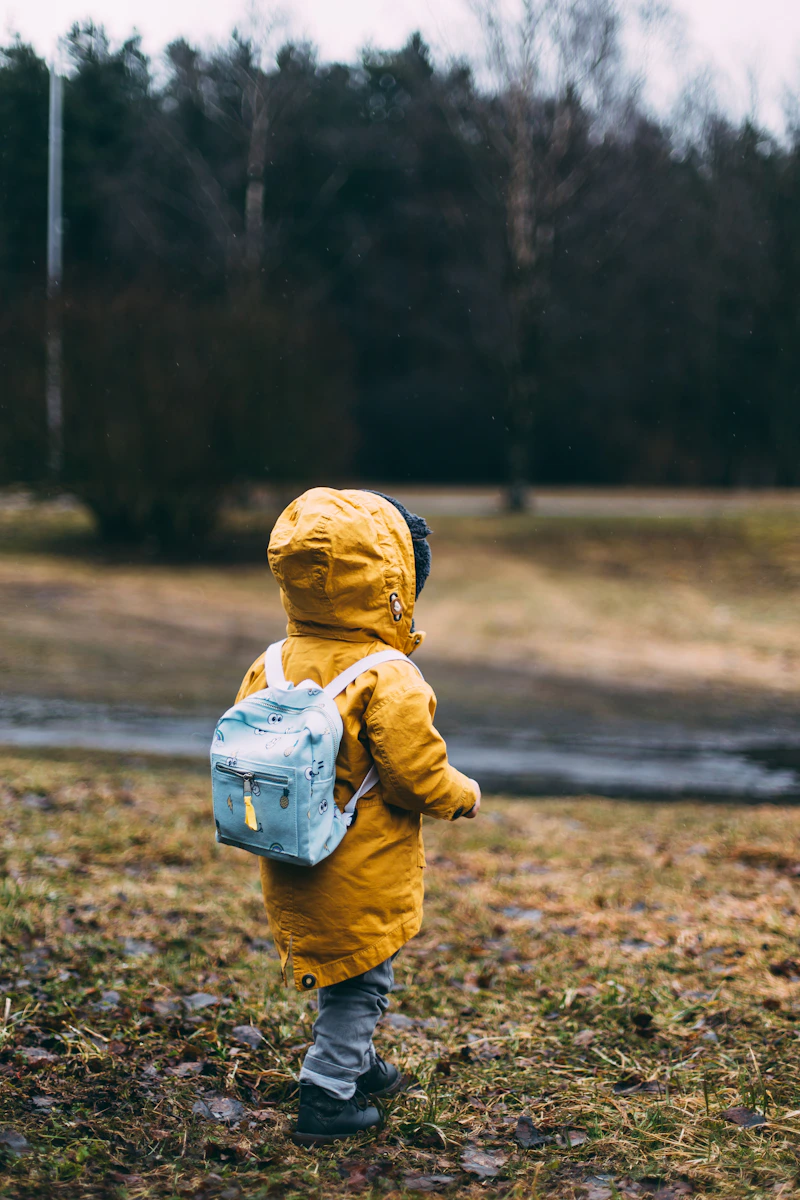
Understanding Natural Consequences
Natural consequences are the outcomes that naturally result from a child's actions, without any parent-imposed punishment. If a child doesn't wear a jacket, they feel cold. If they don't eat dinner, they feel hungry. If they leave their bike in the rain, it gets rusty. These consequences teach cause-and-effect thinking and responsibility more effectively than lectures or punishments.
This approach differs fundamentally from punishment. Punishment is imposed by parents and may or may not relate to the behavior. Natural consequences flow directly from the action itself, creating a clear and memorable link between choice and outcome.
Why Natural Consequences Work
Natural consequences work because they're directly connected to the behavior and don't require the parent to be the "bad guy." The child learns from experience rather than from being told. This type of learning tends to be more memorable and meaningful because the lesson comes from reality itself, not from an authority figure.
When we rescue children from natural consequences, we deny them valuable learning opportunities. We also inadvertently communicate that we don't believe they can handle difficulties or learn from their mistakes. Children who are consistently protected from consequences often struggle with decision-making and responsibility later in life.
The brain learns best through experience. When a child feels cold because they forgot their jacket, the physical sensation creates a stronger memory than any verbal reminder. This experiential learning builds neural pathways that help children anticipate consequences before acting.
Guidelines for Using Natural Consequences
Safety first: Natural consequences only work when they're safe. You wouldn't let a child touch a hot stove to learn about heat, run into traffic to learn about cars, or go without a car seat to learn about safety. Some lessons are too dangerous to learn from experience. Always evaluate whether the natural consequence could cause harm.
Don't rescue too quickly. When your child forgets their lunch, resist the urge to drop everything and bring it to them. The mild discomfort of being hungry teaches the lesson better than any reminder could. Let the natural consequence happen while ensuring basic wellbeing is maintained.
Express empathy without "I told you so." When consequences occur, acknowledge feelings without rubbing it in: "Oh, your hands are really cold. That's uncomfortable. Would you like to borrow my gloves until we get home?" This maintains connection while allowing learning to happen naturally.
Age-Appropriate Applications
For toddlers (2-3 years): Keep consequences simple and immediate. If they throw food, mealtime ends. If they refuse to put on shoes, they can't go outside to play. The connection between action and consequence must be immediate and obvious.
For preschoolers (4-5 years): Children can begin understanding slightly delayed consequences. If they break a toy by throwing it, that toy is gone. If they don't pick up their crayons, they get put away for the rest of the day.
For school-age children (6-12 years): Consequences can be more complex. If they don't do homework, they face the teacher's response. If they spend all their allowance immediately, they have no money for the rest of the week. These children can begin reflecting on patterns and making different choices.
Examples in Daily Life
Morning routines: If a child dawdles getting ready, they miss their favorite breakfast or feel rushed. Don't nag—just state the departure time and follow through. After a few mornings of missing out, most children adjust their behavior.
Belongings: If a child doesn't put their bike away and it gets rained on or stolen, they experience the natural consequence. Resist replacing items immediately—let them live with the result of their choices.
Social situations: If a child is rude to friends, those friends may not want to play. While painful, this teaches social skills more effectively than lectures about kindness.
When Natural Consequences Don't Apply
Some situations require logical consequences (parent-imposed but related, respectful, and reasonable) rather than natural ones. If a child's behavior affects others or involves safety, don't wait for natural consequences. If a child hits their sibling, the natural consequence might be that the sibling hits back—but that's not safe or appropriate to allow.
Academic situations often need logical consequences. If a child doesn't study for a test, the natural consequence (a bad grade) might not be immediate enough to change behavior. Sometimes additional structure is needed.
Building Problem-Solving Skills
After a natural consequence occurs, engage your child in reflection: "What happened? What did you learn? What might you do differently next time?" This helps cement the learning and builds metacognitive skills.
Avoid lecturing or moralizing—the consequence has already taught the lesson. Your role is simply to help them process what happened and think about the future.
The Long Game
Learning from natural consequences takes time. Your child might forget their jacket multiple times before the lesson sticks. Be patient. The goal is developing internal motivation and responsibility, which takes longer than external compliance but lasts much longer.
Trust the process. Children who experience natural consequences learn to think ahead, take responsibility for their choices, and develop problem-solving skills. These skills serve them throughout life and prepare them for independence.
For more on teaching cause-and-effect thinking, explore our guides on Logical Consequences and Positive Discipline. For practical examples of natural consequences by age, see our guide on consequences that teach rather than punish. Allowing natural consequences requires courage — our article on letting kids struggle and learn from failure explains why it's worth it.